
People who follow a gluten-free diet often need to pay closer attention to the ingredients in diet pills and supplements. Gluten-free eating is essential for people with celiac disease and may also be followed by people with non-celiac gluten sensitivity or personal dietary preferences. However, removing gluten does not automatically create a calorie deficit or cause body fat to decrease. A gluten-free diet can include nutritious whole foods, but it can also include highly processed snacks, baked goods, and convenience foods that contain substantial amounts of calories, sugar, and fat.
Introduction: What Are the Best Diet Pills for Gluten-Free Dieters?
The most suitable diet pill is therefore not necessarily the product that promises the fastest weight loss. A useful product should have a clearly disclosed ingredient list, fit the person’s dietary requirements, and provide a reasonable benefit without creating unnecessary health risks. People who must strictly avoid gluten should also verify that the product and its ingredients do not contain wheat, barley, rye, or questionable derivatives.
Diet pills and healthy weight loss
Diet pills should support a healthy weight-loss plan rather than replace nutritious food and physical activity. Weight loss generally depends on maintaining an appropriate calorie deficit over time, while adequate protein, fiber, vitamins, minerals, and other nutrients help support health during that process. Regular exercise can further support fat loss and help preserve muscle mass.
The main types of products considered in this article include:
- Fat burners that aim to increase energy expenditure or fat oxidation
- Appetite suppressants that aim to reduce hunger or increase fullness
- Metabolism boosters that claim to increase calorie expenditure
Each category has different potential benefits, limitations, and side effects, so gluten-free dieters should evaluate the complete formula rather than choosing a product based only on its marketing claims. People with celiac disease, digestive conditions, chronic illnesses, or regular medications should also discuss diet pills with a healthcare professional before using them.

Weight Loss Goals and Challenges for Gluten-Free Dieters
Gluten-free dieters can lose weight successfully, but their food choices can make calorie control easier or harder. Naturally gluten-free foods such as vegetables, fruits, lean meat, poultry, fish, eggs, legumes, nuts, seeds, and many whole grains can form the foundation of a nutritious weight-loss diet. These foods can provide protein, fiber, and essential nutrients while helping control hunger.
Gluten-free does not mean low calorie
One common mistake is assuming that a food is suitable for weight loss simply because it does not contain gluten. Many gluten-free cookies, crackers, breads, cereals, cakes, and snack foods contain significant amounts of sugar, fat, or refined starch. Some products can also contain more calories than comparable conventional foods because manufacturers use additional ingredients to improve texture and taste.
Replacing these foods with minimally processed gluten-free options can often have a greater effect on weight management than adding a diet pill. A balanced eating pattern can include foods such as:
- Vegetables and fruit
- Beans, lentils, and other legumes
- Eggs, fish, poultry, and lean meat
- Nuts and seeds in controlled portions
- Gluten-free oats and other suitable whole grains
- Naturally gluten-free dairy products when tolerated
Nutritional considerations
People following a strict gluten-free diet may also need to pay attention to their overall nutrient intake during weight loss. Individuals with celiac disease can have nutritional deficiencies, particularly if intestinal damage has affected nutrient absorption. Restricting food intake too aggressively can make it harder to obtain sufficient iron, calcium, vitamin D, B vitamins, fiber, and other nutrients.
A successful weight-loss plan should therefore focus on reducing excess calories without unnecessarily restricting nutritious foods. Adequate protein can support muscle maintenance, while fiber-rich foods can increase fullness and support digestive health.
What to Look for in Diet Pills for a Gluten-Free Diet
People who need to avoid gluten should check the entire ingredient profile of a diet pill before using it. The active ingredients may receive most of the attention, but inactive ingredients can also matter. Fillers, binders, coatings, starches, and other excipients may come from different sources, so a familiar ingredient name does not always reveal its origin.
Ingredients that require attention
The main grains that gluten-free dieters need to avoid are wheat, barley, and rye, along with ingredients derived from them. This requirement is particularly important for people with celiac disease, who need to maintain strict gluten avoidance rather than simply reducing gluten intake.
Wheat-derived ingredients deserve particular attention because wheat starch and related ingredients can appear in some products. People should also be cautious when an ingredient’s source is not clearly identified, especially when the manufacturer does not provide useful information about gluten content.
Useful checks include:
- Look for a clear gluten-free statement when available
- Review both active and inactive ingredients
- Check for wheat, barley, rye, and their derivatives
- Investigate unfamiliar starches or grain-derived ingredients
- Contact the manufacturer when the ingredient source is unclear
- Check the product again if its formulation changes
Supplement quality matters
A gluten-free label does not automatically mean that a diet pill is effective or appropriate for weight loss. Consumers should also consider the amount of evidence supporting the ingredients, the manufacturer’s reputation, recommended dosage, and potential interactions with medications.
People with celiac disease should take particular care because even small amounts of gluten can be problematic for some individuals. They should not assume that a supplement is safe simply because its active ingredients appear naturally gluten-free.
Fat Burners: Are They Suitable for Gluten-Free Dieters?
Fat burners are designed to increase energy expenditure, stimulate thermogenesis, or encourage the body to use stored fat for energy. Common formulas may contain caffeine, green tea extract, capsaicin, or other ingredients marketed for their thermogenic effects. Some products combine several stimulants in a single formula.

Potential benefits and limitations
Fat burners may provide a modest increase in energy expenditure, but they should not be expected to produce substantial weight loss on their own. The effect of an individual ingredient can vary according to dosage, body composition, tolerance, diet, and physical activity. Some stimulant ingredients can also make exercise feel easier by temporarily increasing alertness and energy.
The potential benefit becomes less meaningful when a product causes side effects that interfere with sleep, exercise, digestion, or normal eating habits. High caffeine intake, for example, can cause nervousness, restlessness, headaches, increased heart rate, or sleep problems in sensitive individuals.
Gluten-free dieters should evaluate the entire formula because a fat burner can contain gluten-derived inactive ingredients even when its primary ingredients do not contain gluten. Products with numerous proprietary blends can also make it harder to determine exactly how much of each ingredient the consumer is taking.
Possible side effects
Stimulant-based fat burners may cause unwanted effects that make them unsuitable for some people. Potential problems can include:
- Increased heart rate
- Nervousness or anxiety
- Difficulty sleeping
- Headaches
- Digestive discomfort
- Increased blood pressure
- Jitteriness or restlessness
People who already experience digestive symptoms from gluten exposure may find additional gastrointestinal side effects especially difficult to distinguish from their usual symptoms. Anyone with cardiovascular conditions, sensitivity to stimulants, or medication use should discuss stimulant-containing supplements with a healthcare professional.
Appetite Suppressants: A Better Option for Controlling Calories?
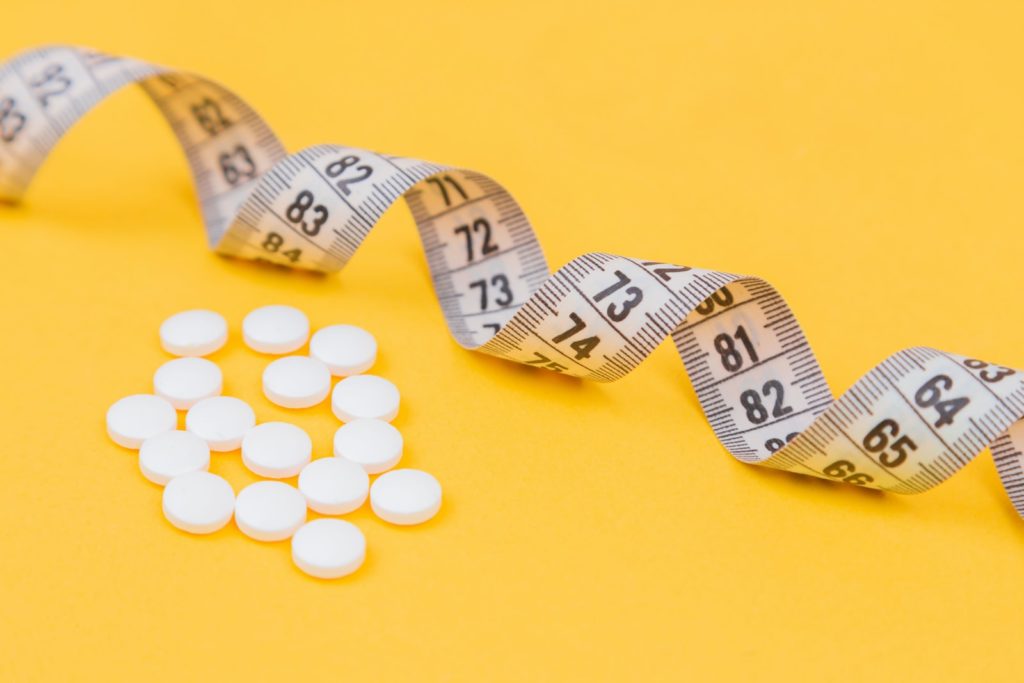
Appetite suppressants may be a more logical category for weight management because controlling hunger can make it easier to maintain an appropriate calorie intake. Hunger can become a significant challenge during weight loss, particularly when a person reduces portions or cuts back on calorie-dense gluten-free snacks and processed foods.
How appetite control can help
- An appetite suppressant may help some people feel full for longer or experience fewer cravings between meals. Some supplement ingredients are promoted for their effects on satiety, while prescription weight-management medications can act through specific biological pathways that influence appetite and food intake.
- Better appetite control can support a calorie deficit without requiring extreme food restriction. A person may find it easier to follow a nutritious gluten-free diet when hunger remains manageable throughout the day.
- However, appetite suppressants do not make poor food choices healthy or eliminate the need for adequate nutrition. A person who uses an appetite suppressant should still consume sufficient protein, fiber, healthy fats, vitamins, and minerals.
Side effects and safety
Appetite-suppressing products can cause side effects that range from mild digestive symptoms to more significant problems depending on their ingredients. Possible effects include:
- Nausea
- Constipation
- Diarrhea
- Headaches
- Dry mouth
- Insomnia
- Anxiety
- Changes in heart rate
These effects can be particularly inconvenient for people who already experience digestive problems associated with celiac disease or gluten sensitivity. Consumers should therefore consider both effectiveness and tolerance when selecting a product.
Metabolism Boosters and Other Weight-Loss Options
Metabolism boosters aim to increase the number of calories the body uses, but the actual effect of most over-the-counter products is usually limited. Caffeine and certain plant extracts are common examples of ingredients promoted for metabolic support. These products often overlap with fat burners because both categories may use thermogenic or stimulant ingredients.

Understanding metabolic claims
A small temporary increase in energy expenditure does not necessarily translate into significant long-term fat loss. Weight management still depends largely on total calorie intake, food quality, physical activity, sleep, and consistency. A product that claims to dramatically accelerate metabolism should therefore be evaluated carefully.
Some people may also consider clinically approved weight-management medications instead of conventional dietary supplements. These medications can have stronger evidence for weight loss, but they also have specific indications, contraindications, side effects, and prescribing requirements.
Orlistat provides an important example because its mechanism and side effects differ from stimulant-based supplements. It reduces the absorption of some dietary fat, but gastrointestinal effects can occur, and it may not be appropriate for everyone.
Comparing the main options
Gluten-free dieters can compare the three major supplement categories based on their primary purpose and likely drawbacks.
| Type | Main goal | Main concern |
|---|---|---|
| Fat burners | Increase thermogenesis or energy expenditure | Stimulant-related side effects |
| Appetite suppressants | Reduce hunger or increase fullness | Digestive and appetite-related side effects |
| Metabolism boosters | Increase calorie expenditure | Often limited evidence or modest effects |
People should also consider whether a supplement could interfere with medications or worsen an existing condition. A healthcare professional can help determine whether a supplement or prescription medication is appropriate.
Which Diet Pills Are Best for Gluten-Free Weight Loss?
Among the three major categories, appetite-control products may be the most practical option for some gluten-free dieters because managing calorie intake is central to sustainable weight loss. A person who can control hunger and maintain reasonable portions may have less need to rely on products that attempt to produce a large temporary increase in energy expenditure.
Why appetite control may be preferable
Appetite management addresses one of the main practical barriers to maintaining a calorie deficit. This can be particularly useful for people who enjoy calorie-dense gluten-free baked goods and snacks but want to reduce their overall energy intake.
A suitable product should have a transparent formula and clear gluten-free status rather than relying on a long list of proprietary ingredients. The product should also have evidence supporting its key ingredients and a side-effect profile that the individual can tolerate.
Fat burners and metabolism boosters may still appeal to some consumers, but their potential benefits should be viewed as supplementary rather than central to weight management. Products that rely heavily on stimulants may also create problems with sleep, anxiety, blood pressure, or heart rate.
The diet pill should not stand alone
The best weight-loss results usually come from combining an appropriate eating plan with regular physical activity and consistent lifestyle habits. A gluten-free weight-loss plan can emphasize:
- Lean protein at meals
- Vegetables and fruit
- High-fiber gluten-free foods
- Appropriate portions of healthy fats
- Limited highly processed gluten-free foods
- Regular aerobic and resistance exercise
- Adequate sleep and hydration
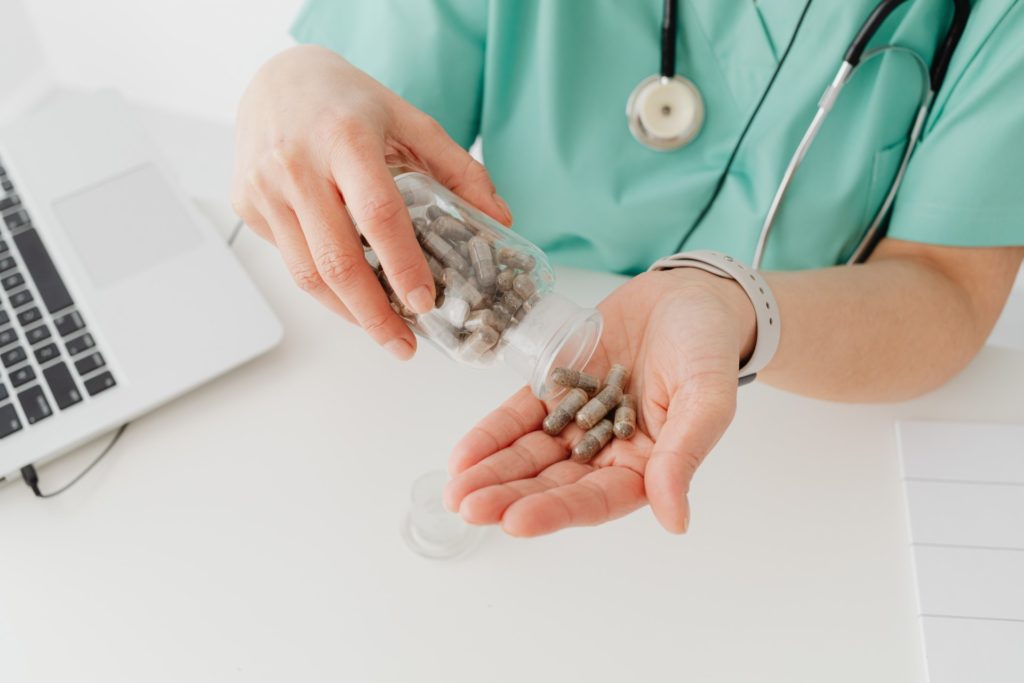
People with celiac disease or other medical conditions should obtain professional guidance before adding a diet pill to their routine. A product that works for one person may be inappropriate for another because of medications, nutrient deficiencies, cardiovascular risks, digestive symptoms, or other factors.
Conclusion: Choosing a Safe Weight-Loss Strategy Without Gluten
The best diet pill for a gluten-free dieter is one that supports a healthy calorie deficit without introducing unnecessary dietary or health risks. Gluten-free status should be one of the first factors checked, but it should not be the only consideration. A product can be gluten-free and still contain ineffective ingredients, excessive stimulants, or compounds that cause unwanted side effects.
Focus on the complete approach
Successful weight loss depends more on consistent nutrition and physical activity than on any individual supplement. Gluten-free dieters can build their eating plan around naturally gluten-free foods that provide protein, fiber, vitamins, minerals, and appropriate amounts of healthy fats and carbohydrates.
Appetite suppressants may be the most useful category to consider when hunger makes calorie control difficult, provided that the individual product is appropriate and its ingredients are well supported. Fat burners and metabolism boosters may offer more limited benefits and can cause stimulant-related side effects in some users.
Anyone with celiac disease should also take ingredient verification seriously because wheat, barley, rye, and certain derived ingredients can compromise a strict gluten-free diet. People should check labels carefully and seek clarification from manufacturers when the source of an ingredient is uncertain.
Diet pills should never become a substitute for adequate nutrition, exercise, or professional medical care. A healthy weight-loss strategy should preserve nutritional quality while creating a realistic calorie deficit that a person can maintain over time.
